
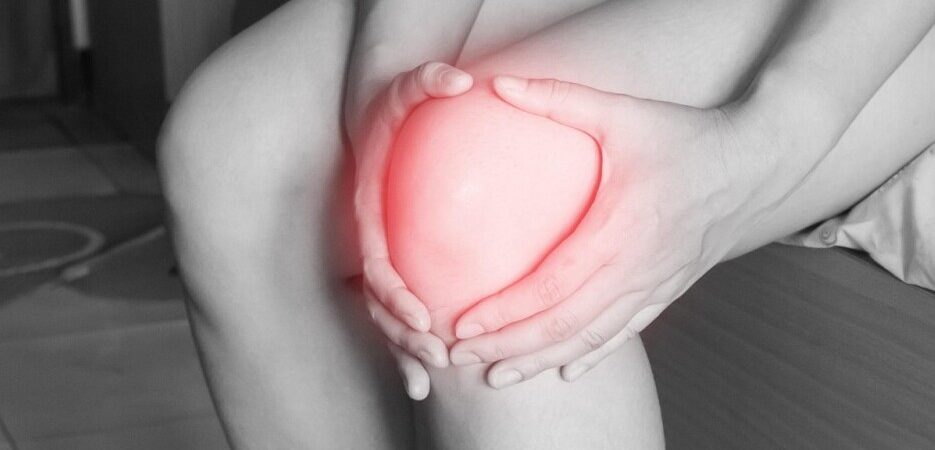
If you are experiencing knee pain, it’s important to take steps to manage it and prevent further injury. Rest, ice, compression, and elevation (RICE) are often recommended for initial treatment.
You can also consider over-the-counter pain relievers and gentle exercises to strengthen the muscles supporting your knee. If pain persists or worsens, seek medical advice.
Here are some things to do if you have knee pain. I have also included a few don’ts. These are things you especially need to keep in mind if you’re experiencing knee pain as an older adult.
This article contains affiliate links, which means that the owner of this website will get commissions on qualifying purchases, at no cost to the buyer.
Do’s And Don’ts For Knee Pain
Do’s
Rest The Knee
One of the essential things you can do if you’re experiencing knee pain is to rest the affected joint. Avoid activities that strain the knee, such as running or jumping. It’s also a good idea to take frequent breaks if you have to be on your feet for long periods of time.
Apply Ice To The Affected Area
Ice can help reduce inflammation and numb the area, providing temporary relief.
To use ice, wrap it in a towel and place it on the affected area for 15-20 minutes at a time, several times a day.
Compression
Use a compression bandage or knee sleeve to help reduce swelling.
Elevation
Keep your knee elevated above your heart when resting to minimize swelling.
Wear Appropriate Shoes
Wear shoes with high cushioning and arch support to lessen the impact on your knees. Avoid high heels or shoes with insufficient clearance, as these can put extra strain on your knees.
Stretch and Strengthen the Muscles Around The Knee
Strong muscles can help support the knee and remove some of the strain.
Stretching and strengthening exercises, such as leg presses and calf raises, can help improve the stability and strength of the muscles around the knee.
These exercises can be done in a chair or standing, depending on your comfort and mobility level:
- Try sitting with your leg extended and tighten your thigh muscles, pushing your knee down towards the floor.
- While standing or lying down, bend your knee, bringing your heel towards your buttocks.
- Lie on your back with knees bent and feet flat on the floor, then lift your hips off the ground, squeezing your glutes.
- Lie on your side and raise your top leg straight up, keeping your core engaged.
- Here are some more exercises you can try.
Pain Management
Over-the-counter pain relievers like acetaminophen (Tylenol), ibuprofen (Advil, Motrin) or a generic like this one, can help reduce pain and inflammation.
Topical pain relievers like creams or gels containing menthol or diclofenac can provide localized pain relief.
This red light massage knee brace combines advanced red light therapy with deep tissue massage to alleviate joint pain and promote blood circulation, allowing your knees to rejuvenate in relaxation.
Don’ts
Don’t Ignore the Pain
Knee pain is your body’s way of telling you something is wrong.
Ignoring it can lead to further damage. If you’re experiencing knee pain, it’s essential to take steps to manage it and seek medical attention if necessary.
Don’t Overuse the Knee
Avoid activities that strain the knee, such as running or jumping. Take breaks and switch to low-impact activities, such as swimming or cycling, if necessary.
Don’t Engage In High-Impact Activities
High-impact activities, such as running or jumping, can strain the knee excessively, making the pain worse. Stick to low-impact activities instead.
Don’t Wear Shoes with Worn-Out or Insufficient Support
Wearing shoes with poor support can put extra strain on your knees. Make sure you have good-quality shoes with adequate cushioning and arch support.
Don’t Put On Too Much Weight
Carrying too much weight can put strain on your knee joints. Losing some weight is sometimes all that is needed to take the pressure off.
I hope this helps, when it comes to managing your knee pain.
Michelle, this article is such a helpful and practical guide for anyone dealing with knee pain – especially as we get older! I really appreciated the way you balanced the “do’s” and “don’ts” and made it easy to follow. The RICE method is a classic, but your reminder about proper footwear and strengthening exercises was eye-opening. I’ve been having knee discomfort after long walks, and now I’ll definitely be paying more attention to my shoes and trying these gentle strengthening moves.
The suggestion about red light therapy for knee treatment was interesting – have you (or anyone you know) tried it personally? I’d love to hear real-life experiences. Also, do you have any favorite low-intensity exercises for bad knee days?
Thank you for making such a clear, actionable list. Your advice is so valuable, exactly what I needed! Keep sharing these gems. They make a real difference.
Mitia
Michel,
In clinically backed practice, managing knee pain begins with conservative, non-surgical strategies. Orthopaedic leaders like Professor Alister Hart underscore the value of targeted strength training, particularly eccentric exercises like slow stair descents and calf drops, for supporting joint stability and reducing discomfort. Physical therapy plays a central role, a customised plan focusing on strengthening quadriceps, hamstrings, calves, and glutes not only alleviates pain but helps prevent further injury. During acute flare-ups, the well-established RICE method (Rest, Ice, Compression, Elevation) remains valuable for reducing inflammation and pain, especially early on.
For persistent or chronic knee pain, especially osteoarthritis, more structured interventions may be needed. A recent meta‑analysis published in PLOS One identified knee braces as the most effective option for relieving symptoms like stiffness and reduced mobility, with exercise and hydrotherapy following close behind in efficacy. Emerging treatments such as genicular artery embolization (GAE), a minimally invasive procedure, also show promise in significantly reducing long-term pain for patients unresponsive to standard therapies. Throughout all stages of care, lifestyle changes, such as maintaining a healthy weight to reduce joint load, staying active via low-impact movement (walking, swimming, cycling), and addressing biomechanical imbalances are core to preventing progression and maintaining knee health.
If your knee pain continues or worsens despite these steps, it’s wise to consult with a physiotherapist, orthopaedic specialist, or pain‑management provider who can evaluate your condition, order appropriate imaging if needed, and potentially recommend injections, regenerative therapies, or, in selected cases, surgical options tailored to your circumstances.
Kind regards
Martin
Michelle, this is such a clear and practical guide for anyone struggling with knee pain. I appreciate how you’ve outlined both the “do’s” and “don’ts” in a way that’s easy to follow, especially for older adults who might be more prone to joint issues. The emphasis on resting, icing, and using compression is a great reminder, but I especially liked your point about proper footwear—it’s often overlooked, yet makes a huge difference. The strengthening exercises you suggested seem gentle yet effective, perfect for building support around the knee without overstraining it. I also found your inclusion of topical treatments and red light therapy intriguing; it’s great to see both traditional and newer approaches mentioned. Overall, your advice is well-rounded and actionable, encouraging people to care for their knees while staying active. This post is a real motivator to be proactive about joint health!
Hey thank you for this post!
This post was an interesting read since knee pain is quite common and not just in the elderly population. It can occur for various reasons. Therefore knowing what to do and not is essential is elevating the pain.
I really like how you have listed it out in a easy to read manner, its much more better to understand and hopefully follow too!
Resting the leg is essential and not doing vigorous activities as I know many ignore these rules. It is essential to follow them!
Thanks again and have a great day!