

Is Creatine Supplementation For Older Individuals Necessary? What exactly is creatine and why do we need it, even if we are younger than forty?
Creatine’s like the unassuming powerhouse of the supplement world. It’s a compound that lives naturally in muscle cells and helps produce energy, especially during heavy lifting or high-intensity workouts.
When you supplement with creatine, you’re essentially topping up your body’s energy reserves which could be really beneficial as you get older.
As we age, our muscles tend to shrink and lose strength. This phenomenon, known as sarcopenia, is a common issue older adults face, leading to decreased mobility and independence.
This is where creatine may come in as a game changer, potentially helping to slow down or even reverse muscle loss.
This post may contain affiliate links, which means that the owner of this website will get commissions on qualifying purchases, at no cost to the buyer.
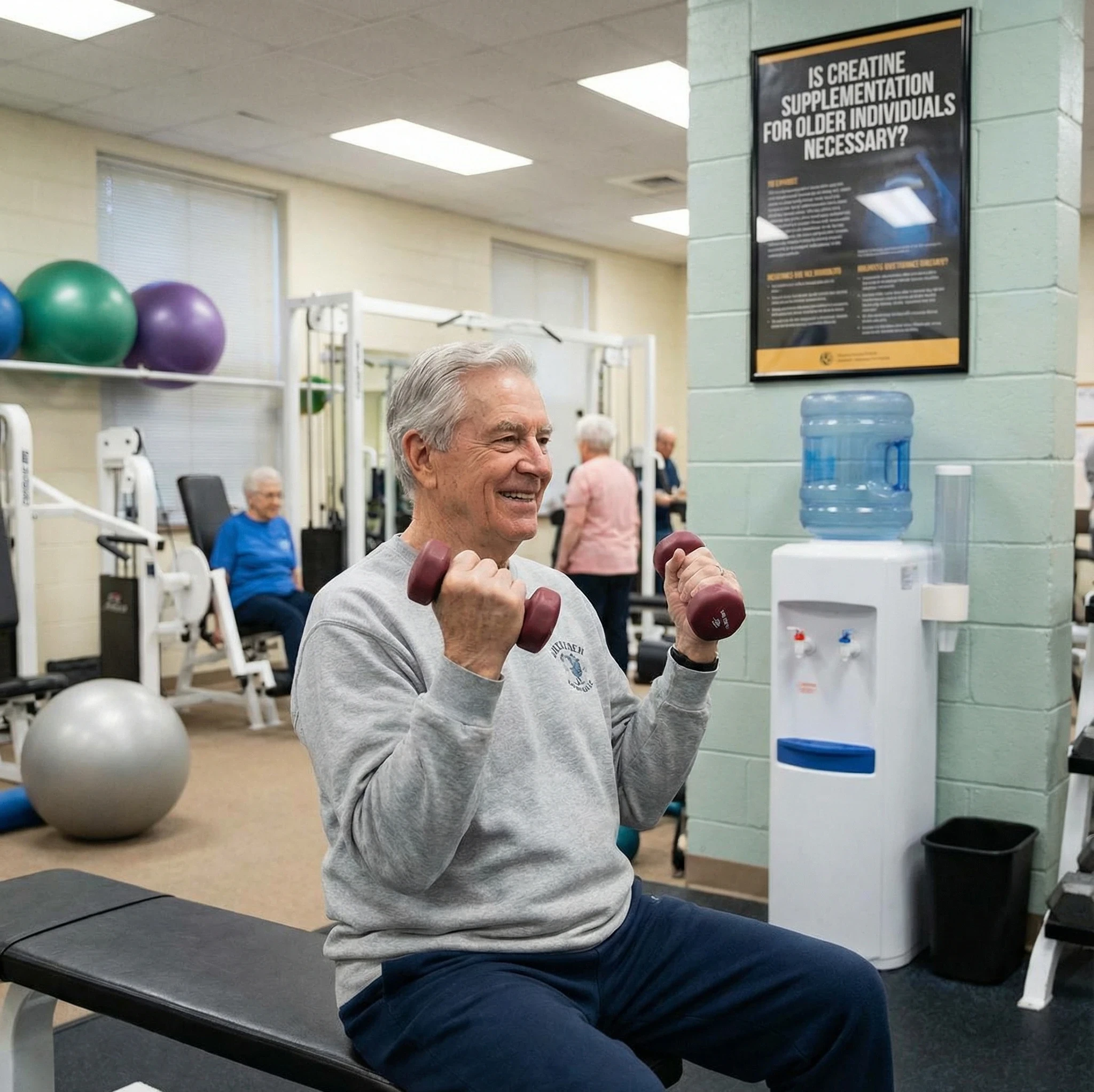
Is Creatine Supplementation For Older Individuals Necessary?
Research has shown promising effects of creatine in older adults fighting sarcopenia. While results vary, many studies suggest that creatine supplementation, especially when combined with resistance training, can improve muscle mass and strength in older individuals.
Of course, like with any supplement, you gotta weigh the pros and cons. For most folks, creatine is safe, but it can have some side effects like dehydration or upset stomach if not taken properly. It’s crucial to approach it wisely, ensuring proper hydration and dosage.
The sweet spot for dosing seems to hover around 3 to 5 grams per day for older adults, but individual needs can vary. It’s always best to start on the lower end and adjust from there, monitoring how your body responds over time.
Hearing from older adults who’ve integrated creatine into their regime might inspire you.
Many report improvements not just in strength but also in daily energy levels and overall wellness. Personal stories can provide insights or encouragement for those on the fence about trying it.
Evaluating the Necessity of Creatine for Seniors
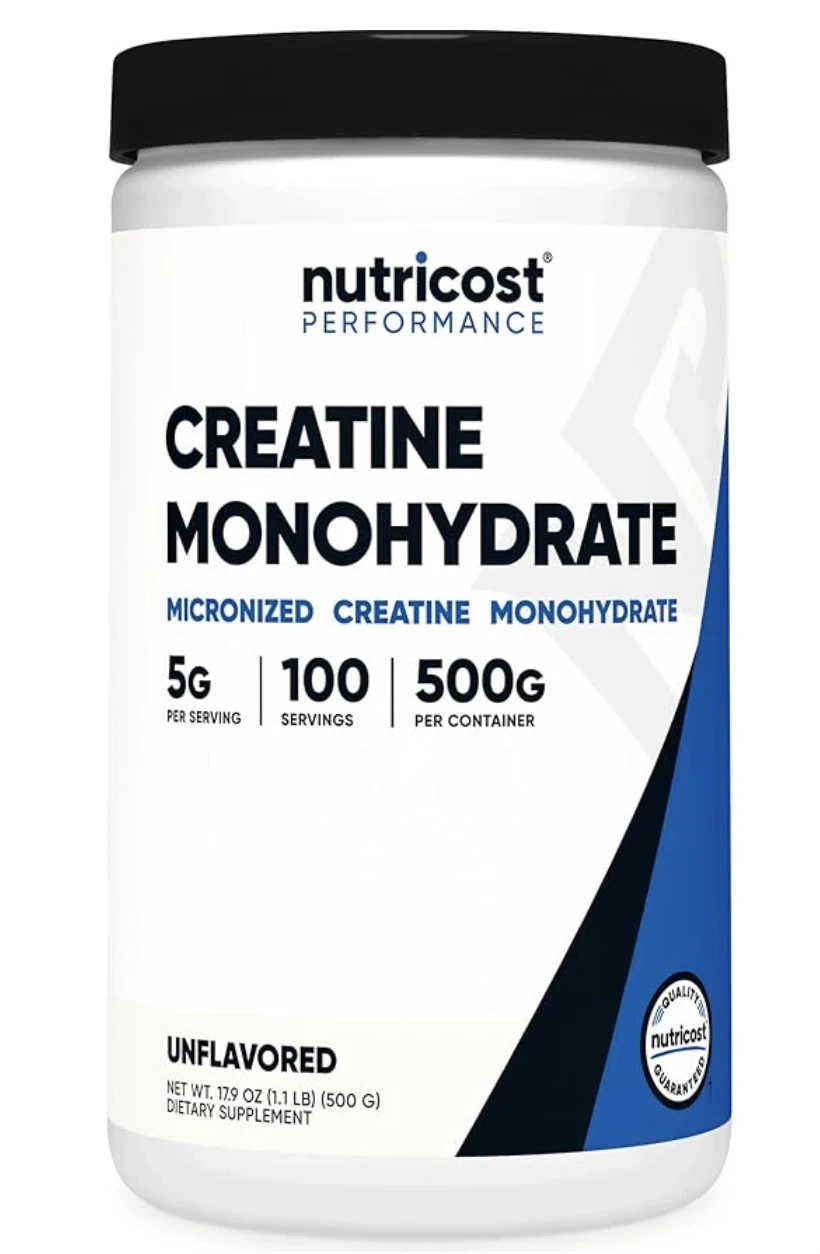
Creatine like the Nutricost one above, isn’t just for gym buffs. It’s gaining traction among older adults due to its potential benefits, like helping with muscle preservation and giving a nice little boost to energy and maybe even cognition.
Muscle loss as we age is a drag, but creatine might just be part of the solution. Alongside improved muscle mass and strength, there’s talk about its potential for enhancing mental sharpness. While it won’t replace Sudoku, every little bit helps keep the mind agile.
But wait, you might be wondering about options. There are dietary alternatives like lean meats or fish that naturally contain creatine. Comparing supplements with food sources can be good because eating whole foods brings other nutrients to the table. However, creatine supplements provide a concentration hard to match with food alone.
Not everyone might need creatine, though. It’s usually most beneficial for those who notice significant muscle or energy declines. Consulting a nutritionist or a doctor who knows your health history can provide guidance tailored to your personal needs.
Case studies with older adults using creatine show some impressive results. Even small improvements in strength and endurance can make daily tasks easier, enhancing quality of life.
Remember, though, supplements aren’t magic. A well-rounded lifestyle, including a balanced diet and regular exercise, creates the best foundation for health improvements. Creatine could be part of that puzzle, but it shouldn’t be the only piece.
Before you start any supplement, it’s wise to have a chat with your healthcare provider. They’ll help you evaluate its role in your health plan, checking for any interactions with medications or conditions you might have.
Here is a very helpful video you can watch with all the benefits of Creatine.
So all the evidence points to the fact that Creatine Supplementation for older individuals is quite necessary.
Thank you for this clear and encouraging article. As someone in my 60s focused on maintaining strength and cognitive function, it’s helpful to see creatine presented as a viable, well-researched supplement for older adults. Your breakdown of the different health domains it can support (muscle, mind, bones) is very compelling and has given me a more complete picture of its potential. The emphasis on consulting with a doctor is an important and responsible touch.
This is a clear and balanced look at creatine that avoids hype while still highlighting its potential benefits for older adults. I appreciate how you connect supplementation to real issues like sarcopenia, mobility, and daily energy, rather than just gym performance. The emphasis on pairing creatine with resistance training is especially important and often overlooked. It’s also helpful that you mention dosage, hydration, and possible side effects, since safety concerns tend to hold many seniors back. I like the reminder that creatine isn’t mandatory for everyone and that food sources and professional guidance still matter. Overall, this post does a great job framing creatine as a supportive tool within a healthy lifestyle, not a miracle fix, which makes the advice feel practical and trustworthy.
Thank you for your kind words Andre and for stopping by to take the time to comment.
Hello Michel!
Thank you for this thoughtful article — it was really eye‑opening! I’ve always associated creatine with younger athletes, so I had no idea it could be beneficial for older individuals too. Your explanations made the science feel accessible rather than intimidating, and I appreciated how you focused on real‑world benefits like strength, muscle maintenance, and overall vitality as we age. It definitely made me rethink what supplements could look like beyond just the gym crowd.
I’m curious — for someone just starting to explore creatine later in life, is there a particular way you recommend easing into it (like starting with a lower dose or pairing it with certain types of exercise)? And in your experience, do people notice results more in energy levels, recovery, or day‑to‑day strength first? Thanks again for breaking this down in such a clear and encouraging way — it gave me a lot to think about!
Angela M 🙂
Hi Angela,
I was wondering that myself, as on the Creatine it suggests starting with higher doses, but I realized that is for athletes mainly who want to build their muscles. So I ended up just taking a teaspoon daily and I am enjoying the way it seems to remove my morning brain fog.