
Getting up from the floor can feel just plain tough, especially for seniors. You might wonder why that is, right? It’s often due to reduced muscle strength and joint flexibility as we age. Muscles that were once strong might not be as quick to respond, making the floor seem a bit farther away than it used to be.
It’s not just about the physical side of things. There’s also a psychological angle here. After experiencing a fall or two, it’s only natural to feel some fear around getting up again. This fear can sometimes make movements hesitant or awkward.
Then there are chronic conditions like arthritis or osteoporosis, which add another layer of difficulty. When joints hurt or bones are fragile, moving off the floor can feel distressingly complex.
Awareness becomes a big deal. Spotting balance issues early can make a significant difference. Recognizing these struggles is the first step towards finding solutions and gaining more confidence in your mobility.
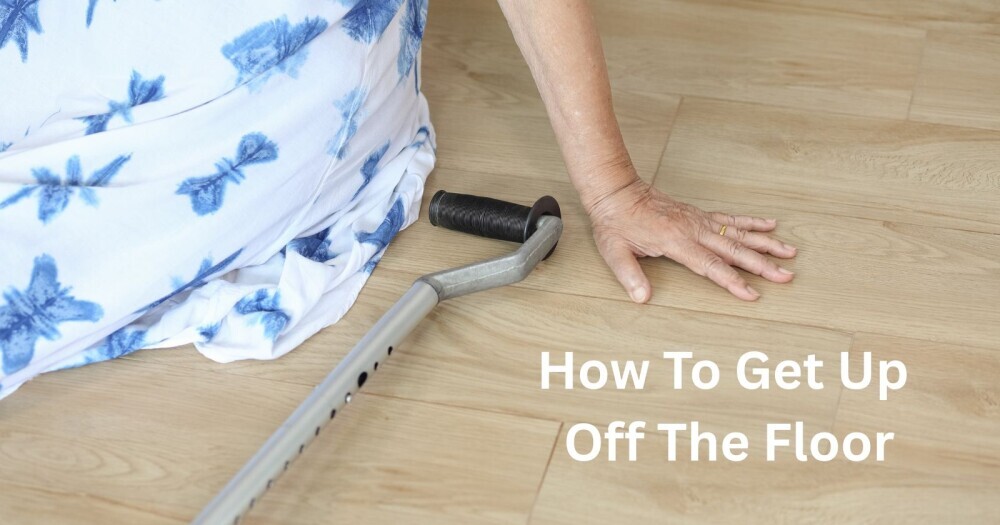
How To Get Up Off The Floor
Creating a Safe Space to Minimize Risks
A safe home setup can make a world of difference when it comes to preventing falls. Let’s talk about some easy-peasy tweaks you can make around your house.
Start with practical changes like installing grab bars in your bathroom. Seriously, these can be real lifesavers when you need a bit of extra support. And think about adding non-slip mats both in and around the bath area. Slippery floors don’t stand a chance now!
Light it up! Proper lighting can help avoid accidents by keeping everything visible, especially at night. Plus, keeping your pathways clear of clutter is equally important. That stack of magazines on the floor? Time to find a new home for it.
Regular checks of your living space can help you catch anything that’s fallen out of place or become a tripping hazard. It’s about creating a routine to keep safety at the forefront.
Having an emergency plan and some communication devices within reach, like a mobile phone or emergency button, brings peace of mind. Just knowing you’re set in case something happens can make all the difference.
Techniques to Safely Get Up From the Floor
Getting up from the floor safely involves some practical techniques, starting with staying calm. Rushing only increases the risk of injury, so take a moment to assess how you’re feeling before you begin.
Start from a seated position with your legs bent, and try to move onto one knee. It’s easier on the joints and muscles when you take it one step at a time. If needed, roll gently to your side to get into a position where you can push yourself up.
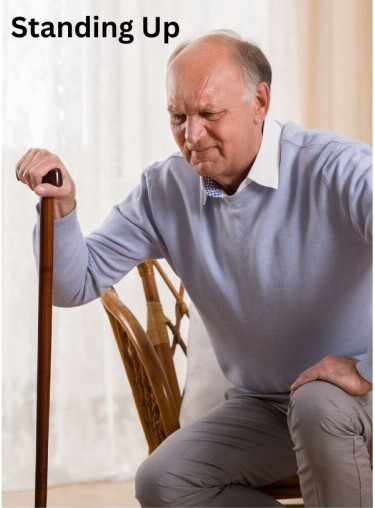
Using sturdy furniture nearby, like a chair or table, for support can help you get your bearings. Place your hands on the surface, pressing down firmly as you rise. It’s all about steady, purposeful movements here.
Adaptive equipment like canes or walkers can be real game-changers. Don’t hesitate to use them if they’re part of your routine. They provide stability, making the process less daunting.
Sometimes, household items like a rolled-up towel or even a firm cushion can serve as makeshift supports under your knees or elbows. They provide a bit of comfort and stability.
Above all, practice makes perfect. Trying out these movements when you’re not in a hurry or under stress can boost your confidence and prepare you for when you need to get up safely.
Exercises and Routines to Build Strength and Confidence
Strength and confidence go hand in hand when it comes to mastering mobility. Building them up with some simple exercises can make a huge difference.
Exercises that focus on building flexibility and strength are a great start. Think gentle leg lifts or arm raises while holding onto the back of a chair. These moves can keep muscles engaged and responsive.
Staying physically active helps improve balance and coordination, both crucial for navigating daily life without hiccups. From short walks to stretching routines, every bit counts.
Consider something like yoga or tai chi, slow-paced activities that help with building mindfulness and body awareness. They’re excellent for learning to understand your own movement limits and capacities.
Never underestimate the power of professional guidance. Physical therapists can offer personalized routines tailored just for you, addressing specific needs and ensuring exercises are done safely.
This is such a practical and encouraging article. I like how you touched on both the physical and psychological sides of getting up from the floor—because it really is about more than just strength. The fear after a fall can make people hesitate, and that hesitation often makes the movement harder.
Your step-by-step approach for safely getting up is really helpful, especially the reminder to stay calm and move with purpose. I also appreciate the simple home safety tips—things like grab bars, non-slip mats, and good lighting really do make a big difference in confidence and independence.
The suggestion to practice getting up when you’re not in an emergency is so smart. It turns what could feel like a crisis into a skill you’re prepared for. Pairing that with gentle exercises like tai chi or guided physical therapy makes this feel like a very doable plan for seniors who want to maintain mobility.
Thanks for putting this together—it’s both reassuring and empowering.
During lockdown in 2020, I noticed that because i wasn’t doing much, I started to need to hold on to things to get off the floor. I only noticed how bad it got when we left lockdown and went paddleboarding and couldn’t stand. It took me 6 months of doing leg strength work to get back to the point of getting up without any issues. It can creep up on you without notice. Keep active if you can.
I know, it is scary how fast you can lose that strength as you age. As the saying goes, if you don’t use it, you lose it.
This was such an important and eye-opening read. I’ve heard so many stories of seniors falling, and one of the hardest parts isn’t just the fall itself but the challenge of getting up afterward, even with help. Your breakdown of both the physical and psychological aspects really struck me, especially the fear factor that often lingers after a fall. It makes so much sense how that hesitation can impact confidence and movement.
I appreciate the practical suggestions you’ve shared like grab bars, non-slip mats, and using sturdy furniture for support. These are simple but powerful steps that can make a real difference in safety and peace of mind. The reminder that practicing “getting up” techniques in a calm moment, rather than in an emergency, is such valuable advice too.
Thank you for approaching this with so much care and practicality. It’s encouraging to see mobility framed not just as a physical challenge, but as something that can be worked on with preparation, strength-building, and confidence.
Do you think more seniors could benefit if these safe “get-up” techniques were regularly taught in community centres or wellness classes?
My mother-in-law is in her early 90s and needs extra care, so fall prevention and recovery are always top of mind for our family.
We’ve already installed grab bars in her bathroom, but we hadn’t considered how much of a difference proper lighting and clutter-free pathways could make. That tip about checking the living space regularly for tripping hazards is such a simple yet powerful reminder.
Staying calm and using sturdy furniture for support also makes so much sense, especially when panic can lead to injury. I’ll be sharing these steps with our caregiver so we can practice them together.
Thank you for this incredibly helpful guide.